Commercial Moves in Shoreditch
Relocating a business in Shoreditch is rarely a simple “move from A to B” job. This part of East London is fast-moving, busy, and full of mixed-use buildings, converted warehouses, creative studios, offices, retail units, hospitality venues, and co-working spaces. That means a successful relocation depends on planning, timing, access knowledge, and the right team on the day. If you are arranging commercial moves in Shoreditch, you need a service that understands the area, works around building restrictions, and keeps disruption to a minimum for your staff, clients, and neighbours.
Whether you are moving a small startup from a shared office, relocating a design studio, transferring stock from a retail unit, or shifting an entire floor of business equipment, local knowledge makes a real difference. Shoreditch streets can be tight, loading space is often limited, and many premises have stair-only access or strict building management rules. A well-managed office or business move is about more than lifting boxes; it is about protecting your equipment, keeping operations on track, and making sure the transition is organised from the first survey to the last item in place.
For local companies, the pressure is not just physical. You may need to move after hours, over a weekend, or in stages so your team can keep working. You may also be dealing with archived files, IT hardware, specialist furniture, retail fixtures, display units, or sensitive stock. That is why a Shoreditch commercial relocation service should be practical, flexible, and built around your schedule. Request a free quote when you are ready, and plan the move in a way that suits your business rather than interrupting it.

Why Shoreditch businesses need a specialist commercial moving service
Shoreditch has a character all its own. The area is packed with modern office developments, old industrial buildings converted into creative workspaces, and small commercial premises tucked into streets where access is not always straightforward. A standard domestic-style move often does not work well here. Business relocations need a team that can handle coordination, protect assets, and work efficiently in environments where time and access are both limited.
One of the biggest reasons local firms choose a specialist team is continuity. A business move is not just about transporting items; it is about keeping your operations as close to normal as possible. If your staff need desks, monitors, and documents ready the next morning, or if your retail space needs to reopen quickly, the move must be planned with precision. Commercial removals in Shoreditch often involve multiple departments, fragile equipment, and time-sensitive handovers, so having a process that keeps everything organised is essential.
Another factor is the physical layout of the area. Many Shoreditch properties sit on busy roads or narrow side streets, and some buildings have restricted lifts, narrow staircases, or shared entrances. Parking can be difficult, especially during the working week. A local team familiar with these conditions can plan around loading windows, access points, and route timing. That can save a great deal of stress on moving day and reduce the risk of delays.

Types of commercial moves we help with
Business relocations vary widely, and Shoreditch is home to a mix of industries that all have different requirements. Some moves are simple and direct, while others call for staged packing, specialist handling, or careful sequencing so that departments can settle into their new space smoothly. Below are some of the most common types of moves local customers arrange.
Office removals
Office removals in Shoreditch often involve desks, chairs, filing cabinets, IT equipment, meeting room furniture, and shared kitchen items. Many offices also need help with dismantling and reassembly, labelling systems, and packing support so staff can return to work quickly.
Retail and showroom relocations
Shoreditch is known for its independent shops, fashion spaces, pop-up retail, and showrooms. These moves may require the transport of display fittings, shelving, stock, rails, mirrors, counters, and marketing materials. Timing matters here, particularly if the business needs to reopen with minimal downtime.
Creative studios and agency moves
Creative businesses often work with specialist gear, artwork, sample materials, production equipment, and flexible furniture layouts. A move for a studio or agency may need careful handling of monitors, editing equipment, portfolios, product samples, and branded assets. Many clients want a team that can follow detailed instructions and keep items grouped by project or department.
Hospitality and venue moves
Restaurants, bars, cafés, and event spaces in and around Shoreditch sometimes need help with furniture shifts, back-of-house equipment, and stock transfers. These moves can be particularly time-sensitive, especially when fitting work has to be completed before a reopening or launch date.
Warehouse, stockroom, and light industrial moves
Some businesses in the wider Shoreditch area operate from light industrial units, storage spaces, or stockrooms. These moves often require organised handling of cartons, pallets, racking, small machinery, and inventory records. Careful planning helps keep stock accounted for and reduces interruption to fulfilment or production.
What is included in a commercial move
When choosing a service for commercial moves in Shoreditch, it helps to know exactly what support is typically available. Different businesses need different levels of help, and the right service should be flexible enough to match your requirements. In many cases, a commercial move can be tailored to include packing, dismantling, transport, unloading, and placement at the new premises.
Common inclusions may cover:
- Pre-move planning and site assessment
- Loading and unloading support
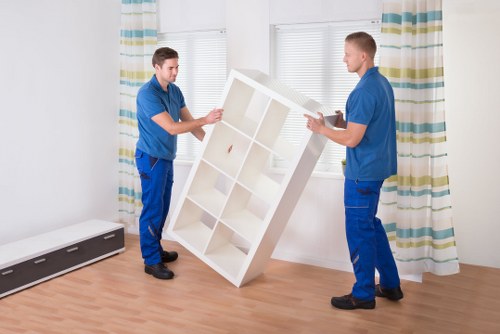
- Furniture dismantling and reassembly
- Packing assistance for office contents and equipment
- Labelled transport of files, stock, and assets
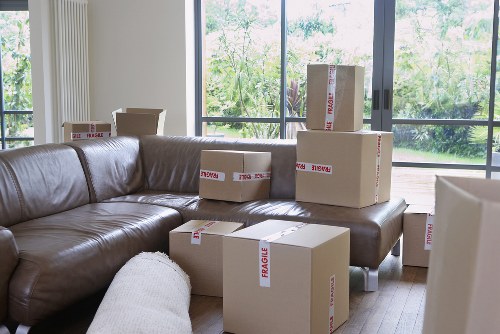
- Protection for fragile items and sensitive equipment
- Placement of items in the new workspace according to your floor plan
- Clear coordination around access times and building restrictions
Some businesses also request help with part-load moves, split-site relocations, or phased transfers. This is especially useful for companies that cannot shut down fully during the relocation. Book your service now if you need a move arranged around business hours, weekend availability, or staged delivery.
For teams moving IT-heavy setups, the packing and handling process is especially important. Computers, screens, servers, printers, and accessories should be packed and transported in a way that minimises risk. Even when a move is straightforward, an organised approach to cables, labelled boxes, and workstation setup can save hours during installation at the new site.
How a Shoreditch commercial relocation usually works
A clear process helps reduce stress and gives you confidence that everything is under control. While every business move is different, most commercial relocations in Shoreditch follow a similar pattern. The first step is usually an assessment of the premises, the volume of items to move, and the access conditions at both locations. This allows the moving team to understand what equipment may be needed and how long the job is likely to take.
After that, a schedule is agreed. This may involve moving outside normal business hours, during quieter periods, or over multiple visits. For businesses in shared buildings or busy streets, timing can be crucial. Coordinating with building management, reception teams, or landlords can help avoid bottlenecks on moving day. If lifts are shared or loading bays are restricted, those details should be built into the plan early.
On the day itself, the move is usually managed in a logical sequence. Items are packed or collected by category, fragile goods are handled separately, and furniture is dismantled if needed. Once loaded, the team transports everything to the new site and places items according to the agreed layout. This final step matters more than many businesses expect, because a good layout helps your staff restart work with less confusion and fewer interruptions.
Step-by-step move day process
- Arrival and access check at the pickup site
- Protection of entrances, floors, and key walkways if needed
- Careful loading of furniture, files, stock, and equipment
- Transport to the new premises using the most practical route
- Unloading and placement by room, department, or floor plan
- Reassembly of suitable items where requested
- Final checks to make sure key items are where they should be
This process can be adapted for small offices, large corporate moves, retail units, and multi-floor buildings. The objective is always the same: keep the move controlled, protect your assets, and get your business up and running again as quickly as possible.
Preparing your business for the move
Good preparation is one of the best ways to make commercial moves in Shoreditch smoother and more efficient. Even when you are using an experienced team, there are practical steps your business can take in advance to avoid delays and reduce the chance of anything being overlooked. Preparing in advance also helps staff know what to expect and gives everyone a clearer sense of responsibility on moving day.
Here is a useful preparation checklist:
- Confirm the move date, building access times, and any lift restrictions
- Notify staff so they can pack personal items and label workstations
- Back up digital files and secure important data before disconnecting devices
- Sort through documents and remove anything no longer needed
- Label boxes clearly by department, room, or priority level
- Separate fragile items, confidential files, and specialist equipment
- Measure large furniture and check that it will fit through the new space
- Arrange parking or loading permissions if required
- Notify clients, suppliers, and contractors if your trading address or access times will change
It is also worth identifying one internal point of contact who can answer questions and make decisions during the move. This avoids confusion and helps the moving team work quickly. If several departments are involved, simple colour coding or room-based labels can make a big difference when everything arrives at the new location.
Tip: if you have specialist items such as projectors, servers, commercial kitchen tools, merchandise displays, or delicate artwork, keep those separated from general office contents. That makes them easier to track and reduces handling risks.

Why a local Shoreditch team can make the difference
Choosing a local company for a Shoreditch business relocation has several practical advantages. First, local movers are more likely to understand traffic patterns, parking conditions, and building access challenges in the area. Shoreditch is close to busy routes used by delivery vehicles, commuters, and trades, so timing and route choice can affect how smoothly a move goes.
Second, local experience can be useful when dealing with the mix of property types in the area. Some businesses operate from modern office blocks with strict booking procedures, while others are in converted buildings with awkward stairwells or limited loading access. A team that has worked in similar premises before is more likely to plan around these limitations effectively.
Third, local service can support more responsive scheduling. If your move needs to happen in phases, or if you need a smaller follow-up run for leftover items, having a team familiar with the area can make those arrangements easier. This is especially helpful for businesses around Old Street, Hoxton, Bethnal Green, Whitechapel, Liverpool Street, and nearby parts of East London where commercial activity is dense and access can be unpredictable.
Local property types and common access issues
Shoreditch businesses often work from:
- Converted warehouses and loft-style offices
- Shared workspaces and managed office suites
- High-street retail units
- Hospitality venues with back-of-house access only
- Creative studios in older buildings
- Mixed-use premises where commercial and residential access overlap
Access challenges can include narrow staircases, limited lift capacity, restricted loading windows, street congestion, and nearby residential parking controls. A local mover will usually plan around these realities rather than treating them as unexpected problems.
Useful for both small and larger businesses
Whether you are a sole trader moving to a more visible premises or a larger team relocating an entire workspace, the same principle applies: the move should be structured around your business needs. A local commercial removals team can help make sure that practical issues are addressed before they turn into delays.
Pricing factors for commercial removals in Shoreditch
Businesses often want to know what influences the cost of a commercial move, even if exact pricing depends on the details of the job. It is sensible to ask for a tailored quote because each relocation is shaped by different factors. The more clearly the move is planned, the easier it is to understand what is involved and what will affect the final scope of work.
Common pricing factors include the size of the move, the number of floors involved, access conditions, the distance between premises, the amount of packing required, and whether dismantling or reassembly is needed. Moves that involve fragile equipment, late-night scheduling, or multiple stops may also require additional planning. If you have a large volume of stock or specialist items, the handling process may need extra care and time.
It can also help to think about the value of avoiding downtime. For many businesses, a smooth move is not just about convenience; it can help keep operations open, reduce disruption to customers, and save staff time. When comparing moving options, it is worth looking at the level of support included, not just the basic transport element.
Questions that help shape an accurate quote
- How many desks, chairs, and storage items need to be moved?
- Are there stairs, lifts, or narrow access points at either site?
- Will packing or unpacking support be needed?
- Do you need the move completed outside office hours?
- Are there IT systems, stock, or fragile items requiring special handling?
- Will the move happen in one trip or several phases?
When you request a quote, it helps to share as much detail as possible up front. That allows the move to be planned realistically and reduces the chance of surprises on the day. Contact us today to discuss the size and timing of your commercial relocation in Shoreditch.
Commercial moves for different sectors in Shoreditch
Shoreditch is known for its variety, and that variety is reflected in the kinds of businesses that need relocation support. A good moving service should not assume every client has the same requirements. A fashion brand, a digital agency, a café, and a consultancy will all have different priorities, equipment, and operating hours.
For offices and professional services
Consultancies, legal teams, recruitment firms, and finance-related offices usually want a move that is fast, tidy, and carefully labelled. Confidential files, monitors, chairs, and filing systems need to be handled with care. Often, the priority is to make sure staff can return to productive work as quickly as possible.
For creative and digital businesses
Agencies, photographers, studios, and production teams often have bespoke workstations and equipment layouts. Their move may require careful packing of monitors, light gear, artwork, samples, and branded displays. Clear labelling and a sensible unpacking order are particularly useful in these environments.
For retail, fashion, and merchandising businesses
Retail clients often need stock handled in an organised way, particularly if items must be kept grouped by collection, season, size, or display type. Shop fittings, mannequins, shelving, and point-of-sale equipment may also need moving. A prompt and careful service helps protect trading time and supports a quicker reopening.
For hospitality and food businesses
Cafés, bars, and restaurants may need to move furniture, dry goods, small equipment, and non-perishable stock. The sequence of the move matters here, because back-of-house items need to be positioned efficiently and in the correct order for reopening or relaunching.
In every case, the aim is to keep the relocation practical and business-focused. That means understanding how the space is used, what needs immediate access, and which items can be packed or moved later without affecting daily operations.
Areas covered around Shoreditch
Many businesses looking for commercial moves in Shoreditch also need support in nearby neighbourhoods and business districts. Because East London is closely connected, a local team can often help across surrounding areas without making the process more complicated than it needs to be. This is useful if your current site and new site are in different parts of the wider local area or if you are expanding to another branch.
Areas commonly covered may include:
- Hoxton
- Old Street
- Liverpool Street
- Bethnal Green
- Whitechapel
- Spitalfields
- Hackney
- Dalston
- London Fields
- City fringe business districts
If your business is near a major transport hub or sits on a busy route, planning becomes especially important. A local moving team can help you think through the practicalities of timing, vehicle access, and building entry so that the relocation works within the realities of the area.
What to look for when choosing a moving company
When selecting a company for your business relocation, it helps to focus on reliability, flexibility, and clarity. You want a service that understands commercial work and can adapt to the pressures that come with a live business environment. The right team should ask sensible questions, explain the process clearly, and show that they understand the conditions you are dealing with.
Good signs include:
- Clear communication from the first enquiry
- Experience with offices, retail spaces, and specialist business premises
- Willingness to plan around access and timing restrictions
- Support for packing, dismantling, and reassembly where needed
- A practical approach to scheduling and site coordination
- Respect for your equipment, stock, and confidential items
You may also want to ask how the team handles phased moves, weekend relocations, and multi-floor buildings. These details matter in Shoreditch, where business premises can vary widely in size and layout. A company that takes time to understand the job properly is usually better placed to deliver a smoother experience.
Frequently asked questions
Can a commercial move in Shoreditch be done outside working hours?
Yes, many business customers ask for early morning, evening, or weekend moves to reduce disruption. This can be particularly useful for offices, shops, and hospitality venues that cannot stop operating during the day.
Do you help with packing and dismantling furniture?
Many commercial move services can include packing assistance, dismantling of desks or shelving, and reassembly at the new premises. It is best to confirm what level of help you need when requesting a quote.
What if my building has awkward access or no nearby parking?
That is common in Shoreditch, especially in busy streets and converted properties. A local team can usually plan around loading restrictions, narrow entrances, stair access, and limited parking by scheduling the move carefully and using the right equipment.
Can you move IT equipment and sensitive business items?
Yes, but these items should be handled carefully and packed appropriately. If your business has servers, monitors, printers, or confidential documents, it is important to mention them early so the move can be planned safely.
Is it possible to move in stages?
Yes. Some businesses prefer phased relocations so they can keep operating while sections of the office or stock are transferred gradually. This can be a practical option for larger or more complex business moves.
How far in advance should I arrange the move?
It is sensible to plan as early as possible, especially if you need a specific time slot or if your building has access restrictions. Early planning gives you more flexibility and helps avoid unnecessary pressure closer to the moving date.
Why businesses choose a local, practical approach
Commercial relocations are easier when they are approached as a project rather than a transport job. That means thinking about timing, layout, staff involvement, access, and the order in which everything should happen. For Shoreditch businesses, this practical approach is especially important because the area combines modern commercial buildings with older properties, shared spaces, and streets that are not always easy to load or park in.
A good move should support your business goals. Maybe you are expanding into a larger office, setting up a retail presence closer to customers, or moving to a more flexible creative workspace. Whatever the reason, a well-planned relocation helps you make the most of the new premises without dragging out the disruption. That is why many local customers prefer a team that understands both the area and the realities of commercial work.
When everything is planned properly, the move feels much more manageable. Boxes are labelled, access is organised, furniture arrives where it should, and your staff can settle into the new space with less stress. If that is the kind of move you want, a Shoreditch commercial removals service can be arranged around the needs of your business rather than forcing your business to fit the move.
Ready to plan your move?
If you are organising a business relocation in or around Shoreditch, now is the right time to start planning. Whether you need a full office move, a retail relocation, or a more specialised commercial transfer, a structured approach will save time and help protect your equipment and stock. Request a free quote, ask about the service that best fits your premises, and arrange a move that works for your schedule.
Contact us today to discuss your requirements and book your commercial move in Shoreditch with confidence.